Default to 40wt for most embroidery
40wt polyester or rayon is the embroidery industry standard. Works for 90% of designs — logos, monograms, general embroidery. Wide color selection, good coverage, durable.
 StitchPilot.ai
Reference · Thread weights
Embroidery thread comes in multiple weights — 40wt is standard, 60wt is fine, 30wt is heavy, 12wt is decorative. Choosing the right weight affects coverage, detail, and overall design quality. This guide explains each weight, when to use it, and how to combine weights for the best results.
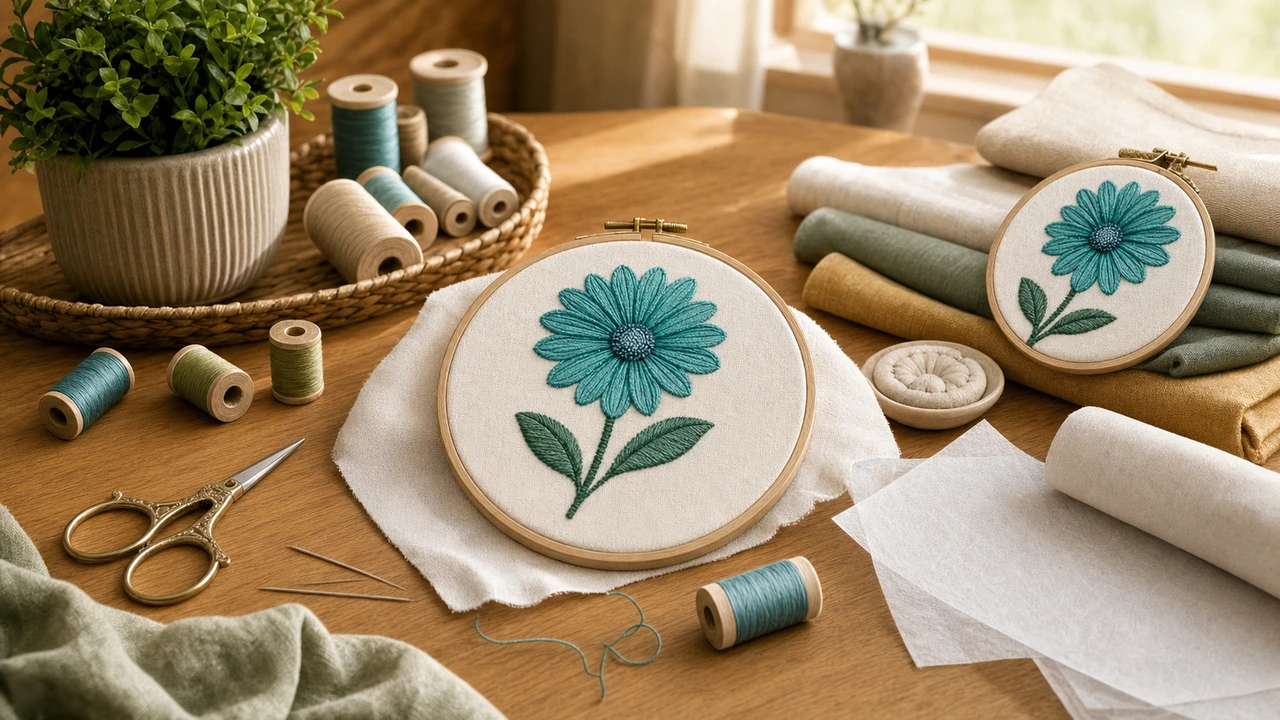
Picking the right weight
40wt polyester or rayon is the embroidery industry standard. Works for 90% of designs — logos, monograms, general embroidery. Wide color selection, good coverage, durable.
Small lettering (under 0.5″), intricate logos, or designs where the standard 40wt looks too "thick" — switch to 60wt. Finer weight + finer needle (size 11).
30wt has more visual weight per stitch — useful for bold designs on textured fabrics (canvas, twill) where finer thread would get lost. Less stitches needed for coverage.
12wt is dramatically thicker — for visible decorative threads in heirloom or art embroidery. Not for typical machine embroidery; requires specific needle (size 16-18).
Weight comparison
How different weights behave:
Weight + needle matching
Wrong needle size for thread weight = thread breaks or skipped stitches:
Embroidery thread weights — common questions
40wt polyester or rayon is the embroidery industry standard. Works for most designs — logos, monograms, general embroidery. Default to 40wt unless you have a reason to switch.
For small lettering (under 0.5″), intricate logos, or fine-detail designs where 40wt looks too thick. 60wt produces finer coverage and reveals smaller details.
30wt is heavier — more visual weight per stitch, faster coverage, useful for bold designs on textured fabrics. 40wt is standard and produces standard-look embroidery. Many embroiderers stock both.
Yes — common in artistic embroidery. Use heavier thread (30wt) for bold outlines, standard (40wt) for fills, finer (60wt) for fine detail. Plan the design with mixed weights in mind.
Different design needs require different thread visibility and coverage. The standard 40wt works for most, but fine detail benefits from 60wt and bold designs from 30wt. Variety lets you optimize per design.
Plan thread by design size
Preview your design size in StitchPilot.ai to confirm which weight will give the result you want before stitching.
Plan a thread-weighted design →