Match hoop size to design (not just maximum)
Use the smallest hoop that fits the design. Smaller hoops have less area of fabric pulling, less hoop burn risk, better stitch quality. 4x4 design in a 5x7 hoop = unnecessary slack.
 StitchPilot.ai
Troubleshooting · Hooping
Hooping is the most underestimated step in embroidery. Bad hooping causes design misalignment, hoop burn (permanent fabric marks), shifting mid-stitch, and registration drift across multi-color runs. This guide walks through hooping for different fabrics and fixing common problems.
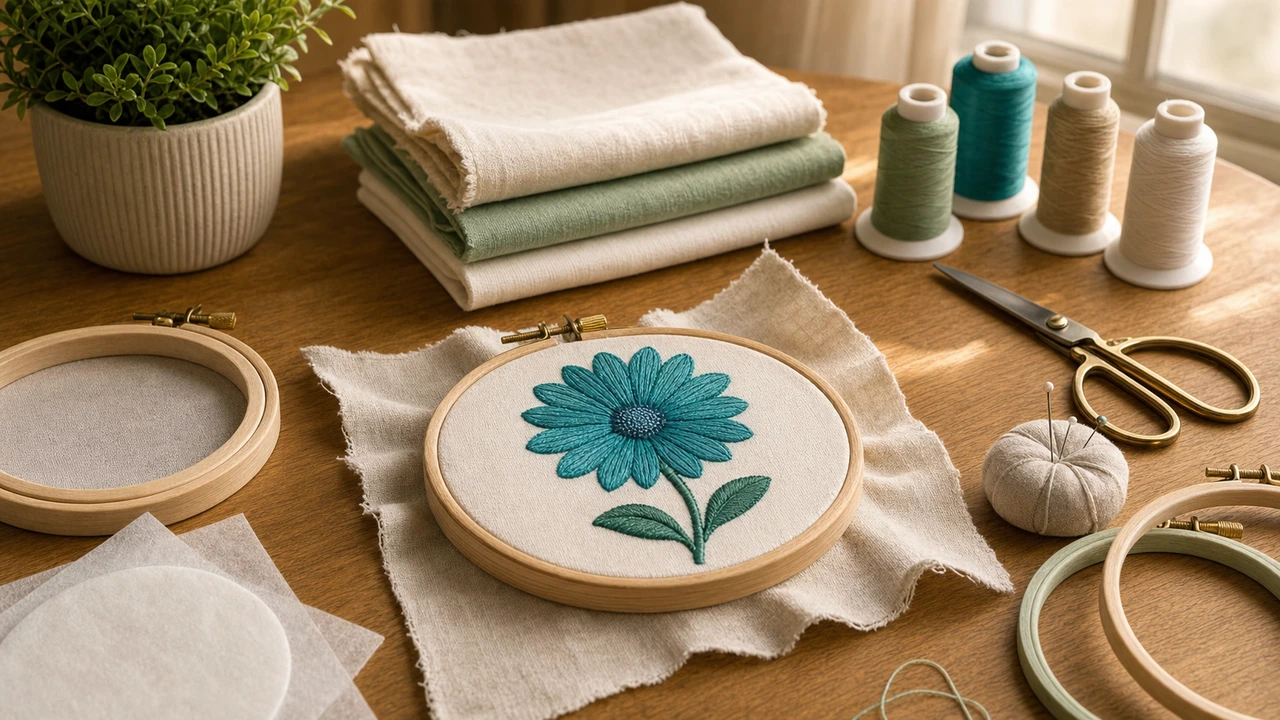
Correct hooping technique
Use the smallest hoop that fits the design. Smaller hoops have less area of fabric pulling, less hoop burn risk, better stitch quality. 4x4 design in a 5x7 hoop = unnecessary slack.
Lay stabilizer flat on the bottom of the hoop, then fabric on top, smooth tension. Tighten the hoop ring evenly — both screws if it has two — until fabric is drum-tight.
Most machines have a hoop preview mode. Use it to confirm the design centers correctly within the hoop area before pressing start. Saves a ruined piece.
Hoop burn (permanent fabric marks) happens on delicate fabrics from hoop pressure. Float the fabric on top of hoop+stabilizer (not in the hoop) for very delicate items. Use hoop hugger if available.
Common hooping problems
Match the issue to its hooping cause:
Hooping techniques by fabric
Different fabrics need different hooping approaches:
Embroidery hooping problems — common questions
Drum-tight — when you tap the fabric in the hoop, it should sound like a drum. Tight enough to prevent shifting, but not so tight you stretch the fabric.
Hooping not tight enough — fabric shifts between color changes. Re-hoop drum-tight, or use sticky-back stabilizer to lock fabric in place.
Hoop pressure leaves marks on silks, satins, fine cottons. Solutions: lighter hoop pressure, float the fabric on top of stabilizer instead of hooping it, or use hoop hugger / cushion accessories.
On unhoopable items (small ribbons, certain shoes, large items that don't fit), you can use sticky-back stabilizer to attach the fabric to a hooped backing. Quality is harder to maintain.
As small as possible while fitting the design plus 0.5″ margin. Smaller hoops = better stitch quality, less hoop burn risk, less fabric pulling.
Before you hoop
StitchPilot.ai shows exact design dimensions — confirm hoop fit before hooping, save the rehooping headache.
Verify design dimensions →