Use cut-away light stabilizer + tear-away topping
Performance fabric stretches — light cut-away (1.5oz) supports without bulking. Add a tear-away or water-soluble topping on top to keep slippery fabric flat during stitching.
 StitchPilot.ai
Tutorial · Fabric techniques
Performance fabrics (Dri-Fit, Under Armour-style athletic wear, polyester knits) are stretchy, slippery, and harder to embroider than typical knits. Sports team apparel, gym apparel, and activewear need careful setup. This guide covers the technique that works.
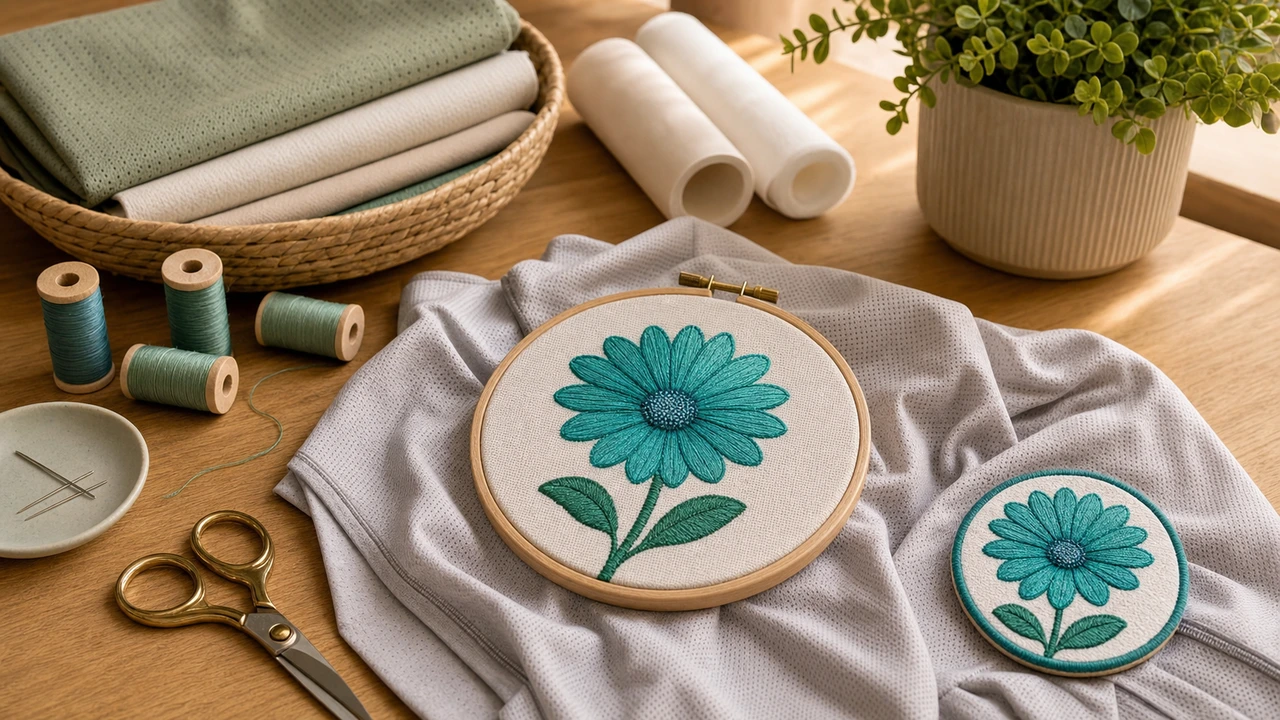
Performance fabric setup
Performance fabric stretches — light cut-away (1.5oz) supports without bulking. Add a tear-away or water-soluble topping on top to keep slippery fabric flat during stitching.
Size 11 ballpoint embroidery needle. Performance fabric is fine knit — needle holes show easily. Smaller ballpoint avoids both perforations and pile damage.
Performance fabric does not absorb heavy embroidery well. Reduce density from typical 50% to 40%. This prevents fabric distortion and keeps moisture-wicking properties.
40wt polyester is standard for performance items. 60wt works for very small details. Avoid metallic/specialty threads on performance fabric — they reduce moisture wicking.
Performance fabric challenges
Issues you will encounter:
Best performance projects
Common performance embroidery:
How to embroider on performance fabric — common questions
Cut-away light (1.5oz) supports without bulking, plus a tear-away or water-soluble topping. The cut-away stays in for wash; topping prevents fabric shift.
Ballpoint, size 11. Smaller, rounded tip avoids leaving visible perforations in the fine knit weave. Sharp needles damage performance fabric.
Yes — dense embroidery blocks the fabric's ability to wick moisture. Keep designs small (chest logo only) and reduce density to 40%. Avoid full-cover or photo-realistic designs on performance wear.
40wt polyester for typical designs, 60wt for very fine detail. Avoid rayon (less durable through wash) and metallic threads (block wicking).
Yes — chest logos and player names/numbers are common. Use the setup above. Sports jersey backs (large logos) often use heat-press vinyl instead of embroidery for wicking preservation.
Plan performance-ready designs
Performance fabric needs lower density. Preview in StitchPilot.ai to confirm design suits athletic wear.
Plan an athletic design →